


• Pitz Defense Updates Website

    This website extension provides nitty-gritty and direct information content, serving differently to the comprehensive content-driven objectives of this main website.

  • Additional A-29 Super Tucano for the Philippine Air Force?

    The Philippine Air Force added six (6) more A-29 Super Tucano orders in record time, making the total number of units to at least twelve (12) units or a single squadron.

  • The Story of the PNP's Shladot MDT Armored Vehicle

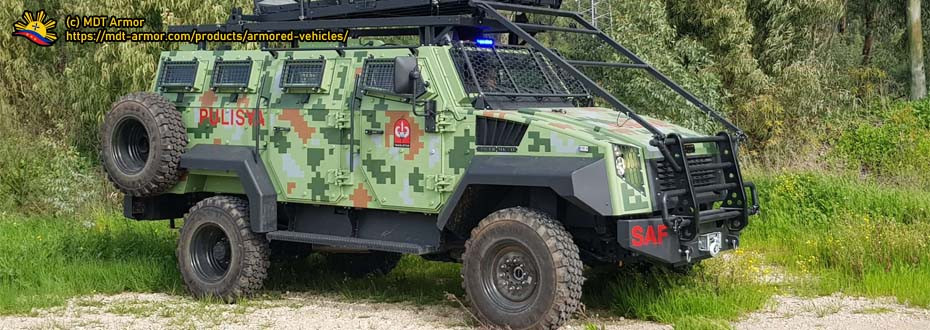
    Once relied on the V150 Cadillac Gage Commando Armored Personnel Carriers, the PNP Special Action Force now has a capable Israel-made armored vehicle that can protect and carry more troopers onboard.

  • LCH Prachand Attack Helicopters for Phil. Air Force?

    India's Hindustan Aeronautics Limited has increased its stakes in the Philippine defense marketplace, now providing its attack helicopter to compete against established ones like the T-129 ATAK.

  • Philippine Air Force's J/TPS-P14ME Mobile Radar Platform

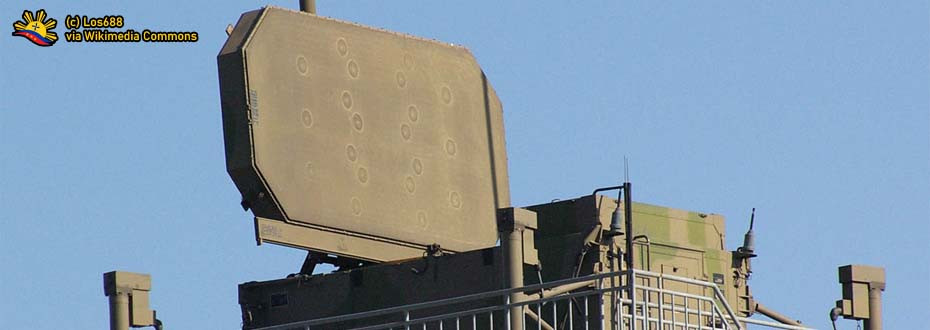
    This radar module is the latest among military-related deals that have taken place between Japan and the Philippines, as part of the larger J/FPS-3ME radar package.

  • Indonesia's ASW Aircraft Offer to the Philippine Navy

    As part of an improved relations between two neighboring ASEAN countries, Indonesia pitches its aircraft platform for the Philippine Miltary's maritime capability improvement.

  • Know More About Us

    Just kindly click this link to understand more about our resolve of providing knowledge and perspective in relation to the Philippine defense and other related topics or discussions.

The Need For Expanding Primary Philippine Naval Facilities

In discussing defense-related topics, acquisition projects relative to buying military hardware has always come as a norm, especially that the Revised AFP Modernization Program itself emphasizes the need of expanded firepower capabilities that align with territorial defense posturing of the Philippine government at-large, with it being the primary policy statement under the Comprehensive Archipelagic Defense Concept framework.

This topic will talk things other than getting the materials and specific weaponry needed to implement the Armed Forces of the Philippines' core mandate, and instead will deal with one key area that needs full development when the acquisition spree is still ongoing at the time this article publishes. And this refers to the current need for facility expansion, starting with the naval service branch of the Philippine military.

RAPID FLEET EXPANSION
The Philippine Navy is experiencing its rapid fleet expansion as it expects the commissioning of additional ships to its fleet composition in the next few years.
Image from the Naval Forces Central Facebook page.

Since the Revised AFP Modernization Program started in 2013, the Philippine Navy experienced its fleet expansion through the years up to the present time this article publishes in this website, whereby the service branch’s current fleet composition primarily composed of vessels bought from at least fifteen (15) years or less, effectively decommissioning most of its remaining World War 2-era vessels that comprised the fleet before the modernization acquisition spree took place.

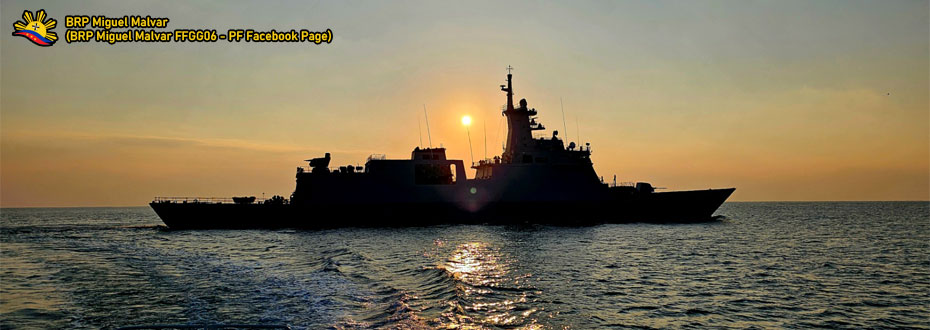
Previously bought vessels that are now part of the Philippine Navy’s Offshore Combat Force units from the turn of the 2010s are the following warship classes: three (3) Del Pilar-class offshore patrol vessels (previously classified as patrol frigates) which were Hamilton-class cutters of the United States Coast Guard, one (1) Conrado Yap-class corvettetwo (2) Jose Rizal-class guided missile frigates, and two (2) Miguel Malvar-class guided missile frigates.

Added to the list are the vessels belonging to the Philippine Navy’s Sealift Amphibious Force, ‌which this includes the two (2) Tarlac-class Landing Platform Docks bought from PT PAL Persero of Indonesia, and five (5) Ivatan-class landing crafts, which are basically former Balikpapan-class patrol crafts from Royal Australian Navy. Also, the Littoral Combat Force receives the Acero-class Fast Attack Interdiction Craft - Missile (FAIC-M), and the succeeding variants of the multipurpose attack craft (MPAC).

In the active pipeline of acquisition, the Philippine Navy receives two (2) Rajah Sulayman-class offshore patrol vessels out of six (6) ordered from HD Hyundai Heavy Industries, plus two (2) additional Miguel Malvar-class guided missile frigates ordered under the Full Complement Acquisition Program. Also included in the active pipeline is the likely transfer of the Abukuma-class destroyer escorts to the Philippine Navy from the Japan Maritime Self-Defense Force.

With the significant increase in the number of large hulls of eighty (80) meters above within the Philippine Navy’s own fleet, the question of facilities that will accommodate is unavoidable, as this usually comes as a follow-on question in a logical scheme of things of operating such capital naval assets that defend the country’s territorial and exclusive economic zone waters. And in terms of naval facilities and operating bases, the answer usually lies way beyond the recognizable waters of Naval Operating Base Subic.

DEFINING A NAVAL BASE AND OTHER FACILITIES
A naval operating base or station ideally comes with facilities that can sustain both naval assets and the personnel who own its planks, regardless of nomenclature.
Screenshot from Naval Shipyard 78th Anniversary AVP

When defining a full naval base or facility, one that comes to mind is‌ how the primary one in Subic comes that is relative to its structure and its full description, as what the Philippine Navy did was to take a portion of a former South Korean shipyard that since then bankrupted and then divided into parts, with the other parts of the former shipbuilding complex occupied by the likes of HD Hyundai Heavy Industries Philippines, a subsidiary branch that produces full naval vessels for the fleet.

At its basic definition, a naval base is an area of command for a naval force assigned to the area, and also serves as a primary hub that provides the logistical, administrative, and operational requirements needed in operating a fleet, ensuring its prolonged sustainment of naval support for maritime security operations needed for an archipelagic nation like the Philippines. Of course, this definition also intertwines what defines a naval station in terms of nomenclature that describes it.

Sticking to the nuances that will appropriately describe a Naval Operating Base in the Philippine setting, it is a primary hub that has the aforementioned features and attributes as already provided in its said basic definition, plus added berthing spaces for multiple naval assets of the fleet of large sizes to dock. The added space is a necessity, especially with the new, larger hulls that the service branch slowly introduced to the fleet as part of the ongoing capability expansion plans under its sail plan initiative.

Typically, a Naval Operating Base has expanded capabilities than that of the Naval Stations that the Philippine Navy has across the country, as the former usually come with facilities that can actually maintain the naval vessels that the service branch has, with personnel belonging to the Naval Shipyard unit providing the support mechanisms and expanded facilities required in sustaining both the ships and its personnel, along with providing additional space for berthing warships that moors in dedicated piers.

In comparison, a naval station in the Philippine Navy’s setup, setting aside Naval Station Pascual Ledesma - Fort San Felipe in Cavite (see image above), usually comes as a small naval installation deployed in areas across the country, with facilities sufficient to accommodate smaller vessels and at least one (1) or two (2) large naval assets of the Offshore Combat Force. While it might have facilities that can maintain naval vessels, its scope limits itself only to small vessels assigned to a naval station.

PLANNED NAVAL FACILITIES OTHER THAN CAVITE AND NOB SUBIC
Aside from NOB Subic and Naval Station Pascual Ledesma Fort San Felipe, the Philippine Navy aims to further develop Naval Station NABASAN, Naval Base Rafael Ramos, and Naval Support Base Misamis Oriental.
Screenshot from Naval Shipyard 78th Anniversary AVP

In the audio-visual presentation of the Philippine Navy’s Naval Shipyard unit, there were one (1) existing naval operating bases that is currently undertaking comprehensive and expanded construction works, one (1) expanded wharf near the vicinity of an existing naval operating base, and one (1) planned naval operating base in Mindanao. These are the Nabasan Wharf, Naval Operating Base Rafael Ramos in Mactan, Cebu, and the future area within PHIVIDEC Industrial Estate in Misamis Oriental.

The Nabasan Wharf is a single naval facility situated just southeast of Naval Operating Base Subic and near the vicinity of the Subic Bay International Airport, of which the Philippine Navy has a plan to provide an expanded pier that will add the capacity over the space available in the Naval Operating Base in the area, while having an added facility that will provide extensive maintenance and logistics to the fleet vessels, minimizing the concentration of activity to the Naval Operating Base within the Subic Bay area.

Meanwhile, the Naval Base Rafael Ramos is a naval facility that is currently undertaking construction works, sitting in the area southeast of Cebu’s International Port and on the Island of Mactan facing the shorelines of Cebu City itself. This is where Naval Forces Central currently operate from, as the current plan includes reclamation works that will increase the land area of the naval base, with facilities ranging from added piers for mooring, drydock and other maintenance facilities, and barracks for personnel.

Finally, the future naval base sitting within the PHIVIDEC Industrial Estate in Misamis Oriental will come as the expanded footprint of the Philippine Navy’s complex facility will accommodate the extensive support of its troops and personnel, and will probably be the one sitting in the Mindanao area. 

Owned by the Philippine Veterans Investment Development Corporation or PHIVIDEC, the Industrial Estate in Misamis Occidental is the one that the Defense Department aims to purchase, intended for the purpose mentioned.

The two naval facilities remaining that are on the map are both the Naval Operating Base Subic itself and the Naval Station Pascual Ledesma Fort San Felipe in Cavite, of which each aforementioned naval facility will get its upgrade that will serve the intended purpose of providing expanded care for the Philippine Navy vessels respectively belonging to both the Offshore Combat Force and the Littoral Combat Force, ensuring the smooth flow of operations resulting from the upkeep of the fleet and its personnel.

THE PLEA FOR EXPANSION
The future naval base in PHIVIDEC Industrial Estate in Misamis Oriental still awaits development.
Screenshot from Naval Shipyard 78th Anniversary AVP

While the plans presented by the leadership for improving and expanding the footprint of the Philippine Navy across the country come as a welcome development on their own, the pace at which the developments undertaken at the time this article has published presents the underlying concern, specifically regarding to its materialization timeline as compared to the fast turnout of the newly produced hulls that the service branch currently has in its timeline.

Apparently, it points to the complete absence of any development in the future PHIVIDEC Industrial Estate in Misamis Oriental citing the need for land titling, along with the slow progress of both the reclamation and construction of key facilities in Naval Base Rafael Ramos in Mactan Cebu. 

Both of which might present additional problems down the road, especially in of accommodating large vessels belonging to the Offshore Combat Force in terms of infrastructure for mooring and extensive maintenance purposes.

The presented slow overall progress and absence, if lack of development thereof, presents a problem particularly that the service branch has multiple acquisition projects that is currently in the queue, and is likely to get into active service five years from the time this article gets published. Currently, there are still four (4) offshore patrol vessels in production on top of two (2) already in service, plus the added order for two (2) additional full complement frigates along with the plans of transferring several Abukuma-class destroyer escorts and some other hull that the service branch has plans of in the future.

Going further into ongoing plans for development, there were expansion plans that did not come to fruition, as naval facility-building has ties to the primary key acquisition program of the Philippine Navy that has prospects for ‌expanded capability building. 

One of the said proposals presented involves Naval Group, a French shipbuilder, whereby they gave a facility development proposal for Naval Operating Base Subic plus a submarine pen attached to its Scorpene offer for the service branch’s Submarine Acquisition Project.

Of course, the shortcomings mentioned do not dismiss the ongoing efforts of the leadership within the service branch and the Armed Forces of the Philippines at large in expanding its footprint in the country and in plans of adding facilities for added logistical and maintenance purposes, although the acknowledgement presented between the timeline difference of introducing new hulls to the fleet and building the facilities that can accommodate and upkeep such hulls is a necessity for its immediate resolution.

LOOKING FORWARD
While part of the Philippine Navy's naval facilities expansion, Naval Detachment Oyster Bay deserves its own separate topic.
From Prime Marquez Portfolio WordPress.

Modernizing the Philippine Armed Forces goes beyond just talking about the specifications of military hardware or even the numbers that the end user from any of the three service branches of the organization, as the rationale of procurement also likely comes with the consideration not only with the sound doctrine that the Philippine military tries to achieve, but also on the current availability of facilities and the plans laid into expanding it to accommodate the expansion of bought military hardware.

The ongoing plans of the Philippine Navy into expanding its existing naval facilities and even going further than just establishing new ones serve as a testament of their ongoing pursuit of an enlarged footprint, aiming that an expanded coverage will help the service branch carry out their intended mandate, ensuring smooth operations of their naval assets maintained into prospective additional facilities for upkeep, while complementing the presence made by multiple naval stations dotted across the country.

Of course, while this topic only entails the expansion of the service branch’s primary naval facilities as mentioned, there are other areas in the country that sees development that have not discussed thoroughly in this article, such as the case of ongoing expansion taking place in Naval Detachment Oyster Bay that involves a dedicated facility intended for unmanned surface vessels or USVs. Given its unique nature, the developments relating to the Palawan-based naval detachment will come with its own discussion.

Focusing once again on the aforementioned primary naval facilities mentioned, there is a mix of optimism and a plea where, in summary, comes with the intention that the ongoing developments surrounding the planned expansions of existing naval bases and opening additional ones should have the implementation with time element into consideration, as the pace of modernization comes not only with the timely delivery of vessels under the contract but also on the overall readiness in having available facilities for its sustainment.

Ultimately, the expansion of the primary naval facilities of the Philippine Navy and the service branch’s footprint of an expanded presence for its sustainment infrastructure across the country comes alongside its ongoing pursuit of fleet expansion aligning to the ongoing Revised AFP Modernization Program, as its establishment comes as equally important to the procurement of highly capable hulls packed with firepower that is a usual theme among the discussions surrounding military defense and security at-large.


(c) 2026 PDA.
Published from a station in Eastern Visayas. 


Share:

Type 88 Anti-Ship Missiles for the Philippine Military?

The activities that have taken place during the Joint Exercise Balikatan 2026 introduced a lot of first instances that are unthinkable in the previous iteration of the annually conducted exercise, as a new active participant of the exercise deploy their coastal-based anti-ship missile platform, that might improve the capabilities of the Philippine Armed Forces, especially on the period where arms sales from this country likely getting expanded in the upcoming years.

FOR THE FIRST TIME
A Japanese Ground Self-Defense Force Type 88 surface to ship missile launched from its launcher during the Sinking Exercise phase of the Joint Exercise Balikatan 2026.
From the Defense Visual Information Distribution Service (DVIDS).

Every year, both the Philippines and the United States, along with other countries that have either taken part in a limited capacity or on an observer status, engaged in a primarily bilateral exercise between allied nations that are usually taking place at around April and May of every year. 

This refers to the Joint Exercise Balikatan, whereby both countries, along with others taking part, get an opportunity that involves interoperability of new capabilities, camaraderie, exchanges of subject expertise, among others.

But the 2026 iteration of the exercise provided a primary opportunity for another country to take part in this activity, alongside Filipino and American troops that are part of what counts as a routine bilateral exercise conducted annually. 

For the first time, the Japan Self-Defense Force or JSDF took part in this Joint Exercise, whereby they showcase existing capabilities in their inventory, aside from actually deploying its troops and equipment in the country for the first time since the Second World War. 

The first time participation took place when both the Philippine and Japanese governments signed and ratified the Reciprocal Access Agreement or RAA in 2024 and 2025 respectively, enabling the militaries of both the Philippines and Japan to get deployed on both countries’ territorial domain, particularly emphasizing more on military exercises such as the Joint Exercise Balikatan where like-minded nations take the opportunity of improving the needed interoperability between the militaries of both nations.

With that first time also comes another opportunity for the Japan Ground Self-Defense Force to field its coastal-based anti-ship missile system, whereby they take part on the sinking exercise (SINKEX) phase of the entire joint exercise, involving the former Philippine Navy vessel the BRP Quezon (PS-70), an Auk-class minesweeper during the Second World War where it served as a patrol corvette within the naval service branch until its decommissioning in 2021.

In sinking, the Japan Ground Self-Defense Force fielded the Type 88 anti-ship missile system, whereby a launcher unit fired at least two (2) missiles in a salvo, effectively hitting the former BRP Quezon as a target during the sinking exercise phase

This resulted in extensive damage inflicted on the decommissioned Second World War ship, which effectively showcased the capabilities of the Japanese-made anti-ship missile, which then made the said ship sink into the depths of the sea off the coast of Western Luzon.

This resulted for the Armed Forces of the Philippines to express interest on the Japanese-made anti-ship missile system and other systems in Balikatan 2026, all of it will help improve the capabilities of the country’s defense capabilities, coming alongside the interoperability between nations that took part on the Joint Exercise as intertwining military hardware use helps multiply the needed deterrence that the country needs amidst the aggression imposed by the northwestern neighbor in the West Philippine Sea.

It also gives Japan the consideration of exporting the Type 88 anti-ship missile platform to the Philippines, after its outstanding success in sinking the BRP Quezon during the Joint Exercise Balikatan 2026. This development gives the increasing prospect that the Armed Forces of the Philippines might get this anti-ship missile platform aside from the reported transfer of the Abukuma-class Destroyer Escorts to the Philippine Navy, both of which will boost the country’s maritime defense prospects.

THE MISSILE DEVELOPMENT
The Type 80 anti-ship missile munition, originally designed as an aircraft-launched warhead, became the basis for the development of the truck-based Type 88 surface to ship missile.
From Wikimedia Commons.

In the 1980s, at the time that the Abukuma-class destroyer escorts were being built for the Japan Maritime Self-Defense Force, Mitsubishi Heavy Industries or MHI developed the Type 88 anti-ship missiles, which itself is a land-based version of the air-launched Type 80 (ASM-1) anti-ship missile

Mounted onboard trucks like the ones Japan deployed during the Joint Exercise Balikatan, its excellent performance still reflects relevance even for a late 1980s-era missile technology incorporated at its time.

This likely come as Japan’s attempt at creating and expanding its indigenous missile production, whereby a ship-based variant of the Type 88 also got developed during the period, intended for integration onboard the warships belonging to Japan Maritime Self-Defense Force or JMSDF, such as the Murasame-class destroyers and Akizuki-class destroyers, which is the Type 90 anti-ship missile. For context, the Abukuma-class destroyer escorts originally came with Harpoon anti-ship missiles installed.

Since its development in the 1980s, the Type 88 and the multitude of anti-ship missile iterations that Japan developed became the backbone of the Japan Self-Defense Forces’ missile capability, coupled with its domestic industry which primarily focuses more on developing and producing military technology that is only limited for its own use, as the government’s pacifist policy prevented any transfer or sale of military hardware, until just recently with the relaxation of restrictions imposed to this prospect.

The Philippine Armed Forces’ interest in the Type 88 surface to ship missile platform presents an opportunity, taking a deep understanding regarding its capabilities by examining its specifications as presented in this detailed entry here. At a glance, the Type 88 missile, as a truck-launched based platform, comes with a mass of 661 kilograms, a length of 5.08 meters, a diameter of 350 millimeters, and a warhead weighing at around 225 kilograms of high explosive round that has the capability of sinking a ship.

Going on its trajectory performance, the Type 88 missile gets propelled by a Mitsubishi TMJ2 turbojet engine and a single solid rocket booster as it gets launched from its truck launcher, giving out an operational range of around 180 kilometers and a low, skimming flight altitude of just 5-6 meters. 

Going further, it has a maximum speed of 1,150 kilometers per hour, which is almost reaching the speed of Mach 1 (1,238 kilometers), and has an onboard inertial guidance and terminal active radar homing system.

In comparison, the SSM-700K ‘Haeseong’ C-Star anti–ship missile that the Philippine Navy employs onboard both the Jose Rizal-class and Miguel Malvar-class of guided missile frigates comes with a warhead weighing at around 250 kilograms, while the entire missile’s mass comes at around 718 kilograms, which is heavier compared to the Japanese Type 88 missile. The C-Star’s size is 5.46 meters and a diameter of 340 millimeters, which makes it longer than the said Japanese-made missile.

With the speeds coming at 1,010 kilometers per hour and operational range of around 150 to 320 kilometers, the C-Star missile as Philippine Navy’s ship-based weaponry comes hand-in-hand with the coastal-based anti-ship missile features brought by the Type 88 surface to ship missile system from Japan as part of the broader push for a sufficient anti-access area denial (A2/AD) layer in areas of concern like in the northern and western parts of mainland Luzon.

TYPE 88 SUCCESSOR IN JSDF SERVICE
Japan Ground Self-Defense Force's Type 12 surface-to-ship missile.
Image Source.

Interest in the Type 88 surface to ship missile platform by the Armed Forces of the Philippines and its successful firing during the Joint Exercise Balikatan 2026 comes alongside the ongoing capability upgrades that are taking place within the Japan Self-Defense Force, one that served as an impetus to this development relative to the purported sale of the 1980s-era missile munitions to the Philippines. This refers to the development and deployment of their Type 25 surface to ship missile.

Being a hypersonic missile in itself, the Type 25 surface to ship missile serves as a continuous missile development path that the Japan Ground Self-Defense Force undertake for its truck-launched platform, and the third succeeding missile type that followed both the Type 88 and Type 12 surface to missile platform. Being an upgrade over the Type 12 surface to missile platform, the Type 25 surface to ship missile has the capability of destroying targets well within its 1,000-kilometer range.

Before the Type 25 surface to ship missile’s introduction into the Japan Ground Self-Defense Force’s array of missiles capable of striking naval targets that threaten the Japanese home islands, they maintain the Type 12 surface to ship missiles which count as a successor to the older Type 88 missiles, with the latter likely getting phased out from the Japanese military stocks and, if pushed through, will help improve the capabilities of the Philippine Armed Forces alongside its BrahMos and C-Star anti-ship missiles.

In terms of capabilities, the Type 25 surface-to-ship missile exhibits a leap in technological advantages, especially when compared to the Type 88 surface-to-ship missiles that originally came from the late 1980s. Aside from its reported range of around 1,000 kilometers, the Type 25 actually has at least two (2) variants, one of which being an upgraded variant of the legacy Type 12 SSM, while the other being the hyper velocity gliding projectiles (HGVP) missile variant.

Completing the link between the Type 25 surface to ship missile to the Type 88 that the Armed Forces of the Philippines might likely get in this case, is the Type 12 surface to ship missile, where procurement of the said missile took place in 2012, and its deployment happened two (2) years later, in 2014. 

Like the Type 88, this missile is also a development made by Mitsubishi Heavy Industries for Japan Ground Self-Defense Force requirements, emphasizing the capability evolution exhibited by Japanese technology for its defense.

Going through its technical specifications, the Type 12 surface to ship missile’s size comes with its 350mm diameter width, 5 meters length, overall weight of around 700 kilograms, range of 200 kilometers, and a maximum speed of 1,111 kilometers per hour

It kept ‌most of its size as compared to the Type 88 surface to ship missile, along with the overall projectile speed of the newer version of the missile, although the Type 12 is heavier compared to the 661-kilogram mass of the Type 88. 

What technically differentiates the Type 12 surface to ship missile compared to its older Type 88 predecessor is the onboard systems configuration, whereby the former comes with an advanced guidance system that will provide enhanced precision against its intended target. Specifically, it comes with a guided launcher, fire control device, relay device, and GPS-based updated guidance system.

THE EXPORT PROSPECT
The Philippine Navy will receive the Abukuma-class destroyer escorts as part of the deal between the Philippine and Japanese governments.
From Wikimedia Commons, shared through an article source.

The Philippine Armed Forces’ desire to secure Type 88 surface to ship missiles from Japan and the Japanese’ interest in providing them to the Philippines goes beyond the technical specifications and the firepower-building capabilities of the Philippine Armed Forces as part of its own ongoing modernization push, whereby it presented a multitude of firsts for both sides relative to this development, along with the set of agreements and policies from the governments of the said countries that have made this possible.

For both Japan and the Philippines, the exporting of the Type 88 surface to ship missiles comes with multiple milestones that have come with this move - for one, the Philippines might likely be the first overseas user and the other one aside from Japan that operates and maintains the said Japanese-made missile technology from the 1980s shall this export pushes through. This also entails the first export for the Japanese relating to missile technology since its lifting of arms export restrictions in April.

Speaking of the lifting of arms export restrictions made by Japan, this actually refers to the revisions made to the country’s three principles on equipment transfers and their implementation guidelines, which serves as the primary policy paper of the Japanese government that justify its need of transferring and sale export of its military hardware, of which it now includes the same intended for lethal military hardware, which were previously prohibited before the approved revisions.

For the Philippine Armed Forces, this will mean having three (3) types of anti-ship missiles in active service, alongside the Indian-made BrahMos missiles and the South Korean-made SSM-700K Haeseong ‘C-Star’ Missile, and the second (2nd) coastal, ground-based missile launching solution, alongside the aforementioned Indian-made missiles. The export of Japanese-made missiles helps expand the coastal defense capabilities of the Philippines and its deterrence on a broader scale.

In this purported export of the Type 88 surface to ship missiles from Japan to the Philippines, this also paves the way for both countries to take any future export of newer missile variants that Japan currently has in service, most notably both the Type 12 and the recently introduced Type 25 missiles that will probably replace the old, 1980s-era missile system that became the primary premise of the exports. This is important as the Philippine military also looks at other options like the NSM-armed NMESIS system.

Aside from the Type 88 surface to ship missiles, the Armed Forces of the Philippines also has the interest in the Abukuma-class Destroyer Escorts, of which recent reports from a Japanese outlet suggest that the Philippine Navy will probably get at least five (5) out of six (6) destroyer escorts as part of its fleet expansion planning, going alongside ongoing purchase of both the Rajah Sulayman-class Offshore Patrol Vessels and the repeat order of Miguel Malvar-class guided missile frigates.

All the mentioned export prospects relative to the Type 88 missile, destroyer escort transfer to the Philippine Navy, and the upgrading of Philippine-Japanese defense ties into a full Comprehensive Strategic Partnership, gives added support to the foundation of not only reinforcing the resolve of both countries as an important component of the first island chain, but also increasing of support for the country’s defense supply chains, joining the likes of South Korea in providing defense material support to the Philippines.

LOOKING FORWARD
The decommissioned BRP Quezon after being hit by a Type 88 missile during the Sinking Exercise (SINKEX) phase of the Joint Exercise Balikatan 2026.

As the bilateral defense relations between the Philippines and Japan improve, along with the multitude of factors that refers to the relaxation of arms exports and the Type 25 missile’s first deployment within the Japan Ground Self-Defense Force or JGSDF, makes the export of Type 88 surface to ship missiles an ideal one for the Armed Forces of the Philippines to consider, with both the Philippine Army and the Philippine Marine Corps being the primary beneficiary of this development if it pushes through.

The capabilities of the said 1980s-era developed Japanese-made missile showcased during the first mainstream involvement of the Japan Self-Defense Force in the 2026 Joint Exercise Balikatan, whereby it successfully targeted the decommissioned World War 2 era corvette, a success that caught the attention of the Philippine military leadership where its capabilities, if bought, transferred, and secured in numbers, adds strength to the anti-access/area denial (A2/AD) strategy of the country.

Currently, at the time this article gets published, the purported export of Type 88 surface to ship missiles to the Philippines from existing Japanese Self-Defense Force stocks is still at the talking level, although the assessment comes is once the deal pushes through, its delivery will come with phases, parallel to the entry of additional Type 25 missile launchers and munitions in the Japanese military service - a process that will take years until the entire transition gets completed.

Even with the plans for Type 88 surface to ship missiles for the Philippines made rounds in the country’s multiple defense communities and spaces, this might likely not stop the Armed Forces of the Philippines into seeking other anti-ship missiles available in the market, aside from an ensured supply chain associated with the most likely repeat orders of both the BrahMos and SSM-700K ‘Haeseong’ C-Star missile, both are already serving in the Philippine Navy’s weaponry arsenal.

As the planned export of Type 88 surface to ship missiles from Japan to the Philippines is still at the discussion level, that are likely to come as part of the improving defense ties between both countries as part of the newly forged Comprehensive Strategic Partnership cemented by the approved Reciprocal Access Agreement ratified by both governments, its overall direction might still change, especially in whether the entire plan pushes through, in the numbers involved, and in the process of transferring the said materials.

Still, the entire discussion presented for this type of missile system that might get introduced in the Armed Forces of the Philippines gives a promising prospect, a positive note even, that there is an opportunity open for the military leadership to further improve the expanded capabilities of all the service branches of the organization, even in the note that the procurement plans and programs of the Revised AFP Modernization Program is still actively ongoing and in process.

Ultimately, this development is something worth looking forward to, especially with the firepower benefits it presents for the Philippine military to get its hands on as it continuously expands its territorial defense deterrence under the Comprehensive Archipelagic Defense Concept or CADC umbrella. Admittedly, the Armed Forces of the Philippines have achieved so far for its territorial defense, with the Type 88 surface to ship missiles will help add to that achievement even further.


(c) 2026 PDA.
Published from a station in Eastern Visayas. 
Share:

Time

Translate

Articles

Total Pageviews To-Date

Webpage Visitors

Free counters!
